


Cask is back: the quiet revival of British ale
For years, the narrative around British beer has been dominated by craft. New styles, bold flavours, and constant innovation reshaped the market. But we may now be seeing a shift in momentum.
Across the UK, there are growing signs that drinkers are looking beyond heavily hopped, high-ABV craft beers in search of something different – and that shift is bringing one of Britain’s most traditional styles back into focus: cask ale.
Once dismissed as outdated, cask is now being rediscovered – not by older, loyal drinkers, but by a new generation. As a result, cask is emerging as a point of differentiation for breweries looking to anchor their brand in authenticity. For producers and exporters, this shift offers a strategic opening to reintroduce British classics to a wider market.
How Gen Z drinking habits are fuelling the cask ale revival
Cask ale has historically been associated with older drinkers and traditional pub settings, but that perception is evolving – with younger drinkers playing a key role in renewed interest for it. Recent trade press coverage and brewer commentary suggest an increasing uptake among Gen Z consumers, challenging long-held assumptions about the category’s audience.
Younger consumers are now approaching it with fresh eyes – not as something old-fashioned, but as something authentic and rooted in place.
This shift mirrors what has already been seen with other heritage drinks. The resurgence in popularity of stout – particularly Guinness – among younger audiences has demonstrated that traditional categories can find new relevance when viewed through a different cultural lens.
Cask ale may now be following a similar path.
Why cask ale resonates with younger drinkers
Several factors may be contributing to this shift:
Authenticity and provenance
Gen Z consumers consistently show a preference for products with a clear story – where they come from, how they’re made, and who is behind them. Cask ale, with its strong ties to local breweries and traditional production methods, fits naturally into this mindset.
Value and accessibility
In a cost-conscious environment, cask ale often represents good value compared to premium craft offerings. Lower price points, combined with sessionable ABVs, make it an appealing option for more regular social occasions.
Experience-led drinking
Cask is closely tied to the pub experience – something that, despite challenges in the sector, still holds strong cultural appeal. For younger drinkers seeking more meaningful, in-person social experiences, this connection matters.
A move away from over-saturation
After years of IPA-heavy tap lists and increasingly experimental styles, some consumers are looking for balance. Cask ale offers something different: subtlety, drinkability, and familiarity.
Addressing craft fatigue: the shift toward sessionable beer styles
The term ‘craft fatigue’ is increasingly being used to describe a shift toward what many call ‘beer-flavoured beer.’ To some drinkers, particularly those newer to beer, the sheer volume of similar styles in the craft space can make the category feel overwhelming or repetitive – and there is a growing appetite for balance.
In that context, traditional styles like bitter and mild offer a point of difference, and a drinkability that many modern IPAs lack. From a production standpoint, these styles often carry lower input costs, utilising British-grown hops and classic malt profiles.
For breweries, this represents a high-velocity portfolio option: beers that encourage multiple rounds and consistent volume, providing a reliable anchor for both domestic sales and export planning.
What this means for pubs and producers
For pubs, this renewed interest presents a potential opportunity.
Cask ale has long been a defining feature of the UK on-trade, but in recent years it has faced well-documented challenges – from declining volumes to the operational complexities of maintaining quality.
If younger drinkers continue to engage with the category, cask could once again become a point of differentiation. It offers something that packaged products and standardised keg lines cannot easily replicate: a sense of locality and craft tied directly to the venue.
For breweries, the opportunity lies in reintroducing cask to a new audience – not by reinventing it entirely, but by reframing how it is presented and communicated.
Clear branding, strong storytelling, and consistent quality will be key.
This is already being reflected by a number of UK brewers who are actively investing in the category. Producers such as Woodforde’s Brewery champion cask through flagship beers like Wherry, and help educate new drinkers on the strengths and differences of cask and keg. More recently, the brewery has also commented on shifting consumer trends, including the renewed interest in traditional styles among younger drinkers.
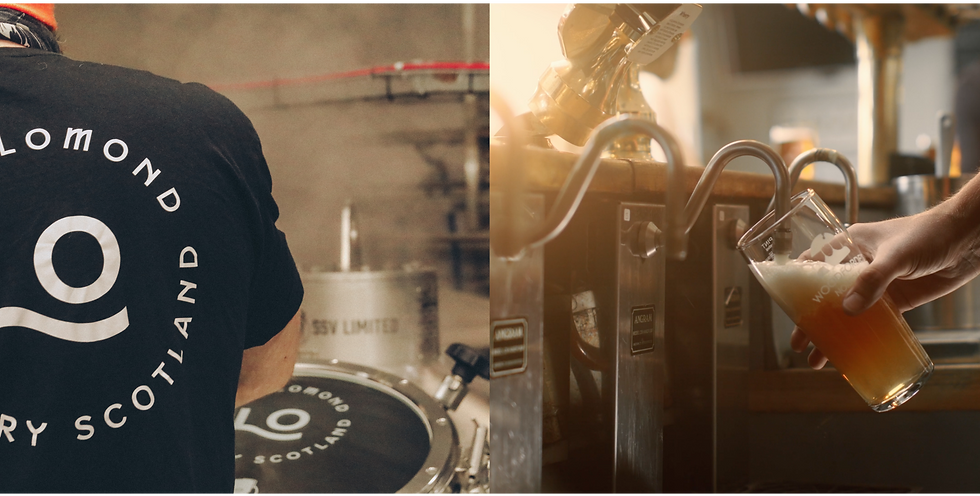
Similarly, Loch Lomond Brewery has maintained a strong focus on cask production, with a rotating calendar of seasonal cask specials that highlights the continued creativity and flexibility within the category.
Strategic advice for producers and beverage exporters
For producers looking to capitalise on this revival, the focus must remain on technical excellence. Cask ale is a precision product; its reputation depends entirely on freshness and consistent quality.
Consistency as a standard: In today’s market, novelty alone is rarely enough to sustain a brand. The producers who win will be those who deliver a reliable, high-quality pour every time.
Modern heritage branding: Heritage doesn't have to mean "dated." The most successful brands are reframing traditional styles with clean, modern aesthetics that respect the past while appealing to a contemporary audience.
Education: Helping international importers and domestic bar staff understand the unique nature of live British ale is vital for maintaining the category's premium status.
Beyond the UK: is there export potential?
While cask ale is inherently tied to the British pub, the underlying drivers of its resurgence – authenticity, heritage, and story – are not limited to the domestic market.
Internationally, there is growing demand for products that feel genuine and culturally rooted. This is something UK producers are well placed to deliver.
There are already several international markets showing appreciation for cask ale, such as Sweden, Finland, Denmark and Italy.
The challenge, of course, is format.
While true cask ale is difficult to export due to its live nature and handling requirements, the identity of British ale is a powerful asset. International markets, particularly those maturing beyond standard lagers, are showing increased interest in:
Authentic provenance: Using regional history and traditional brewing methods to create a premium "Britishness" akin to Scotch whisky.
Format innovation: Developing high-quality bottle-conditioned and canned versions that preserve the character of the ale for the export cold chain.
Premium differentiation: Positioning British bitters and ales in the "heritage-luxury" space, moving away from commodity pricing and focusing on the story behind the pint.
Positioned correctly, these beers can act as a gateway to British beer culture – much in the same way that other heritage products have successfully built global followings.
For exporters, this represents an opportunity to move beyond trend-led styles and lean into something more distinctive.
There are already several international markets showing appreciation for cask ale, including countries such as Sweden, Finland, Denmark and Italy.
A reality check: early momentum, not guaranteed revival
While the signs are encouraging, increased attention does not automatically translate into long-term growth.
Cask ale hasn’t suddenly become something new. Instead, a new generation of drinkers is approaching it differently – with different expectations, values, and motivations.
The renewed interest in cask ale is still at an early stage, and the category continues to face structural challenges. Economic pressures, changing drinking habits, and the ongoing struggles of the pub sector all remain significant factors.
Sustaining this momentum will require consistent quality, effective communication, and continued relevance to younger audiences.
The bottom line for the British drinks industry
The revival of traditional UK ale is a reminder that authenticity is a trend that doesn't expire. Cask ale hasn't changed, but the consumer’s appreciation for it has matured. For breweries ready to lean into their heritage and explore new markets, the timing has never been better.
Looking to grow your brewery’s international presence? Cheers Global provides the expertise and network to help British producers navigate the complexities of global export. Get in touch to discuss your export strategy.
To the best of our knowledge, all information was accurate at the time of publishing in April 2026.